▲ 2026 Independent Rankings

Best Antarctica Expedition Cruises 2026: Top 10 Operators Ranked

Independent guide to choosing the right expedition cruise — ranked by shore time, ship size, activities, and value. No operator has paid for placement.

Last updated:  ·  10 operators evaluated  ·  6 ranking criteria

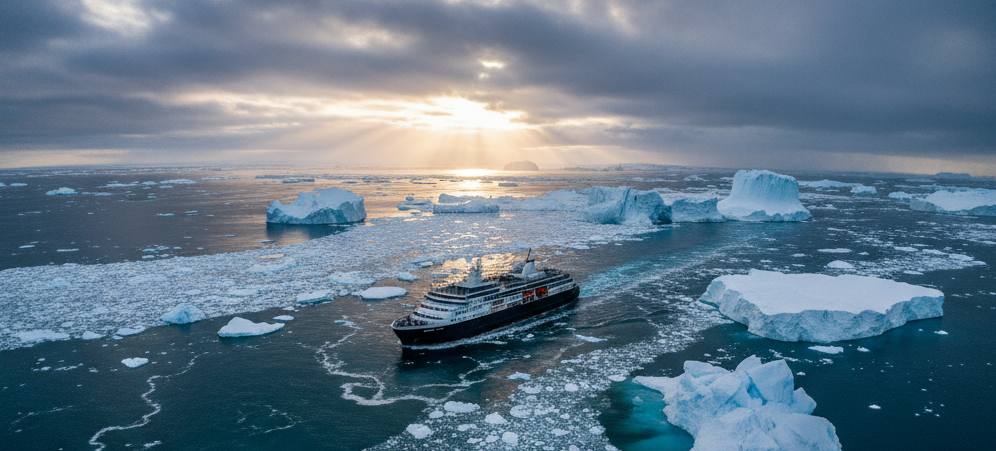
Expedition ship sailing between Antarctic icebergs

Antarctica expedition cruising is defined by a single regulatory framework that most travelers never read: the International Association of Antarctica Tour Operators (IAATO), founded in 1991, governs all commercial operators visiting the continent. Its two most important rules determine the quality of every voyage you take — and they should be the first thing you understand before comparing operators.

Unlike scenic cruises on mainstream ships, a true expedition cruise provides Zodiac landings at Antarctic shore sites, wildlife interaction led by specialist naturalist guides, and the ability to walk across ice that has existed for millennia. The difference between an expedition cruise and a scenic cruise is not marketing — it is a legal and operational distinction enforced by IAATO. Ships carrying more than 500 passengers are prohibited from landing passengers ashore at all.

Ship passenger capacity is the single most important factor in your selection. Below, we explain why — and rank the ten best Antarctica expedition cruise operators for 2026 accordingly.

👥
The 100-Passenger Landing Rule

IAATO limits simultaneous shore landings to 100 passengers per site. Ships under 200 passengers can land their entire complement in one or two Zodiac rotations. Ships with 200–500 passengers must rotate groups in shifts, meaning some passengers wait aboard while others are ashore — reducing effective time in Antarctica's wilderness by 40–60%.

The 500-Passenger No-Landing Rule

Ships carrying more than 500 passengers are prohibited from landing any passengers in Antarctica under IAATO protocol. Operators including Celebrity Cruises, Holland America Line, and Princess Cruises sail Antarctic waters on large vessels and offer scenic cruising — sail-by viewing from the deck — but no shore access. These are not expedition cruises.

How IAATO Rules Determine Your Antarctica Experience

IAATO, founded in 1991 and headquartered in Providence, Rhode Island, is the regulatory body that sets operational standards for all 100+ member operators conducting commercial expeditions to Antarctica. IAATO membership is effectively required to operate legitimately — it enforces bio-security protocols (mandatory boot washing and gear inspection before every landing), leave-no-trace policy (all waste removed from Antarctica), and the two passenger limits that govern shore access.

A Zodiac cruise — a scenic ride in an inflatable boat among icebergs — does not constitute a shore landing under IAATO definitions. Zodiac landings, where passengers disembark and walk on Antarctic territory, are subject to the 100-passenger simultaneous limit. This distinction matters: ships with more than 100 passengers must rotate landing groups, and the rotation mechanics directly determine how much time you spend in Antarctica versus waiting on deck.

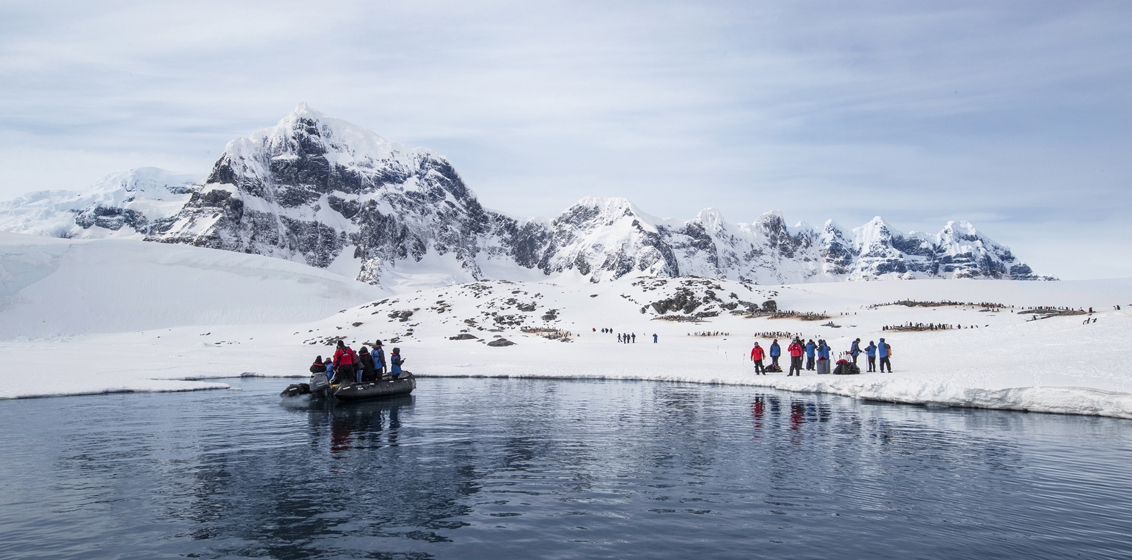
Passengers in orange jackets landing on Antarctic shore from Zodiac inflatable boats
Best for Landings
< 200 pax
Simultaneous Landing
  • All passengers land together in 1–2 Zodiac rotations
  • Maximum shore time per day
  • No waiting on deck while others explore
  • IAATO rule fully met at every site
  • Examples: Poseidon (114), Aurora (130–154), Quark Ocean Adventurer (128)
Rotation Required
200–500 pax
Group Rotation
  • Passengers split into groups; each waits 1.5–2 hours on board
  • Effective shore time reduced 40–60%
  • Zodiac cruising fills waiting periods
  • More Zodiacs per ship reduces wait times
  • Examples: Quark Ultramarine (199), Ponant (199–200), HX Fram (250)
No Landings
> 500 pax
Scenic Cruise Only
  • Prohibited from any shore landing by IAATO protocol
  • Viewing from ship deck only
  • No Zodiac landings, no wildlife walks
  • This is not an expedition cruise
  • Affected: Celebrity, Holland America, Princess

Which Antarctica Itinerary Is Right for You?

Antarctica expedition cruises depart primarily from Ushuaia, Argentina — the world's southernmost city — between November and March, the austral summer season. The choice of itinerary determines destinations accessed, duration required, cost, and the sea conditions you will face. Four primary voyage types define the market.

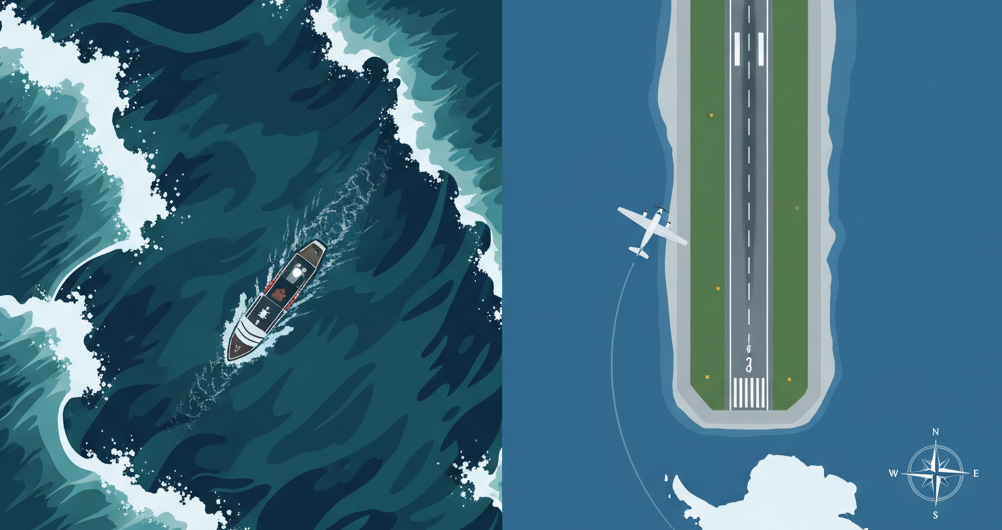
Two routes to Antarctica: fly via King George Island or sail the Drake Passage

Classic Peninsula Cruise

10–12 days  ·  Embark: Ushuaia

The standard Antarctica expedition itinerary. Departs Ushuaia and crosses the Drake Passage — approximately 800 km of Southern Ocean — in about 2 days each direction. Delivers 4–6 days of shore landings and Zodiac cruising along the Antarctic Peninsula. The most established route with the widest operator selection. Drake conditions vary: calm ("Drake Lake") to severe ("Drake Shake"). Recommended as the benchmark expedition for first-time polar travelers.

Fly the Drake / Fly-Cruise

8–9 days  ·  Fly: Buenos Aires → King George Island

Eliminates the Drake Passage crossing by flying from Buenos Aires to King George Island in the South Shetland Islands — saving approximately 4 days of sailing (2 days each direction). Recommended for travelers prone to seasickness or with limited time. Carries a price premium over Classic Peninsula sailings. Operators offering Fly the Drake itineraries include Quark Expeditions, Lindblad Expeditions, and Antarctica21. Passengers board the expedition ship at King George Island, already inside Antarctic waters.

Quark Expeditions Lindblad / Nat Geo Antarctica21

Polar Circle Crossing

14–16 days  ·  Crosses 66°33′S

Extends beyond the Antarctic Circle at 66°33' South latitude — a threshold most expedition ships never reach. Grants access to deeper pack ice, Emperor penguin habitats, and fewer tourist vessels. Requires a minimum 14-day itinerary to allow sufficient sailing time to cross the Circle and return. Ice conditions vary by season and may prevent access in some years. Offered by select operators when ice permits; typically commands a premium over standard Peninsula sailings.

🦆

South Georgia & Falklands Extension

17–25 days  ·  Highest wildlife density

Adds South Georgia Island and the Falkland Islands to the Antarctic Peninsula route. South Georgia hosts the world's largest king penguin colonies, vast elephant seal and fur seal beaches, and wandering albatross breeding grounds — wildlife density exceeds the Antarctic Peninsula. The Falkland Islands add rockhopper and Magellanic penguin colonies plus dramatic coastline. Total voyage length is 17–25 days. If budget and time allow, this itinerary is the definitive Southern Ocean wildlife expedition. Poseidon Expeditions, Aurora, and Quark all offer this route.

Top 10 Antarctica Expedition Cruise Operators: 2026 Rankings

Operators are evaluated on six criteria: shore time & ship size [25%], IAATO compliance & safety record [20%], expedition team quality [20%], activity range [15%], value for money [10%], and traveler feedback [10%]. No operator has paid for placement. Read our full methodology →

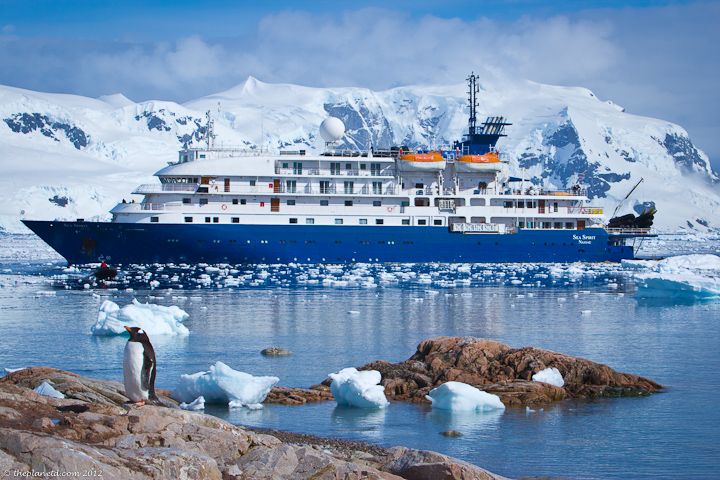
M/V Sea Spirit, Poseidon Expeditions flagship, in Antarctic waters
#1

Poseidon Expeditions

★ Best Overall: Small Ship Experience
🏆 Int'l Travel Awards 2022–2025
⚓ M/V Sea Spirit 👥 114 Passengers ⏰ Avg. 2.5h Shore Time/Day ✅ IAATO Member since 2011 📅 26 Years' Polar Experience 💲 Mid-Range to Premium

Poseidon Expeditions' M/V Sea Spirit, carrying 114 passengers, sits at the optimal size for Antarctica expedition cruising: small enough that all 114 passengers land simultaneously under IAATO's 100-person rule — no group rotations, no waiting on deck — yet large enough to support a full expedition program including optional sea kayaking and overnight camping in Antarctica. Founded in 1999 and an IAATO member since 2011, Poseidon has 26 years of polar expertise and has won the International Travel Awards for Best Polar Expedition Cruise Operator in 2022, 2023, 2024, and 2025. The ice-strengthened hull of M/V Sea Spirit provides reliable access to the Antarctic Peninsula, South Georgia, and the Falkland Islands, as well as Arctic destinations including Svalbard and Greenland.

The defining advantage over larger competitors is time ashore: with an average of 2.5 hours of off-ship activity per day — among the highest in the industry — Poseidon passengers consistently spend more time in Antarctica's wilderness than those aboard ships requiring landing rotations. Pricing is competitive for the small-ship segment, making Poseidon the strongest value proposition for travelers who prioritize maximum shore time and authentic expedition character over onboard amenities. Compared to luxury operators like Lindblad ($25,000+) or Ponant ($20,000–$40,000+), Poseidon delivers comparable or superior shore access at meaningfully lower cost.

ShipM/V Sea Spirit
Passengers114
HullIce-strengthened
IAATO MemberYes, since 2011
Avg. Shore Time2.5 hours/day
Landing MechanicAll 114 land simultaneously — no group rotations
ActivitiesSea kayaking, overnight camping, Zodiac cruising, photography
Fly the DrakeN/A — Classic Peninsula & South Georgia routes
South GeorgiaYes
Price TierMid-range to premium
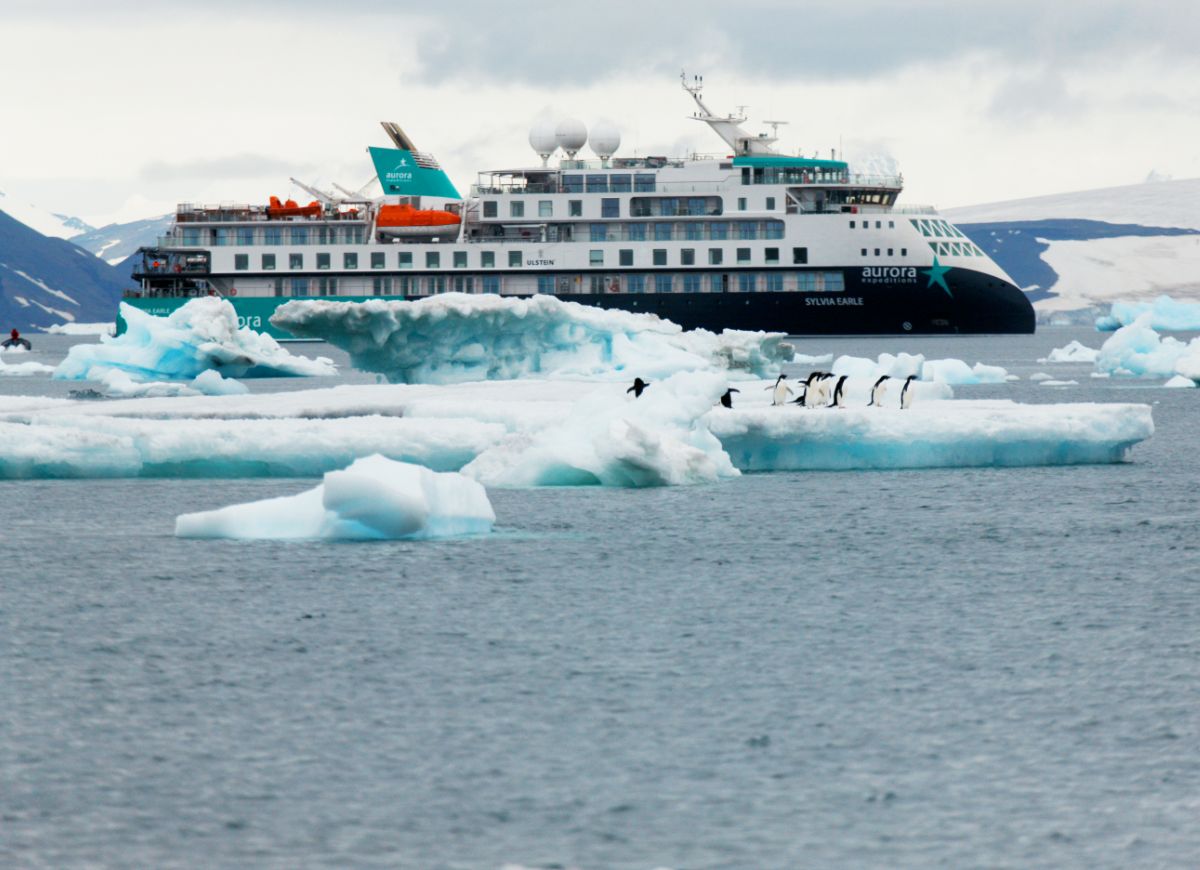
Aurora Expeditions ship with kayakers in Antarctic waters
#2

Aurora Expeditions

🏃 Best for Active Adventures
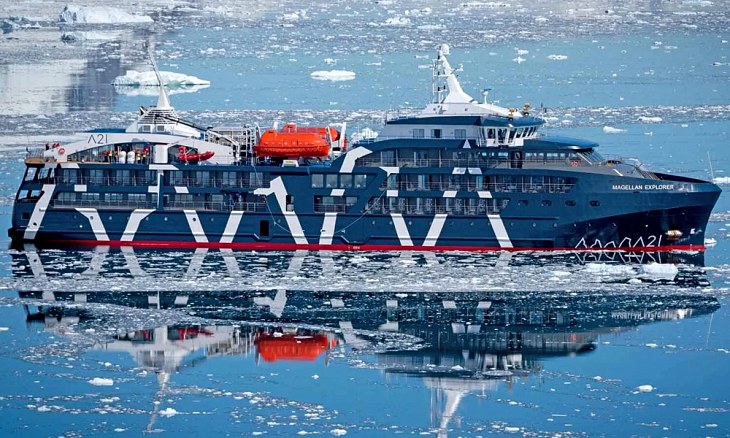
⚓ Greg Mortimer / Sylvia Earle 👥 130–154 Passengers ✅ IAATO Member 🚞 X-Bow Hull (Greg Mortimer) 💲 Mid-Range

Aurora Expeditions operates two purpose-built expedition ships: Greg Mortimer (130 passengers, X-Bow hull) and Sylvia Earle (154 passengers). The X-Bow design on Greg Mortimer pierces waves rather than riding over them, substantially reducing pitch and passenger discomfort on the Drake Passage crossing. With 130 passengers, Greg Mortimer lands its entire complement in two Zodiac rotations — comparable to Poseidon's simultaneous landing advantage. Aurora specialises in active expedition programming: sea kayaking, diving, mountaineering, and rock climbing in Antarctica are all available as optional add-ons.

The 154-passenger Sylvia Earle sits closer to the rotation threshold, which gives Greg Mortimer the edge within Aurora's fleet. Compared to Poseidon's M/V Sea Spirit, Aurora's ships offer more adventure activity diversity — particularly for travelers who want to add SCUBA diving or mountaineering to their Antarctic itinerary. Pricing is competitive mid-range, comparable to Poseidon, making Aurora and Poseidon the two strongest values in the small-ship expedition segment.

ShipsGreg Mortimer (130 pax), Sylvia Earle (154 pax)
HullX-Bow (Greg Mortimer)
IAATO MemberYes
ActivitiesKayaking, SCUBA diving, mountaineering, climbing
South GeorgiaYes
Price TierMid-range
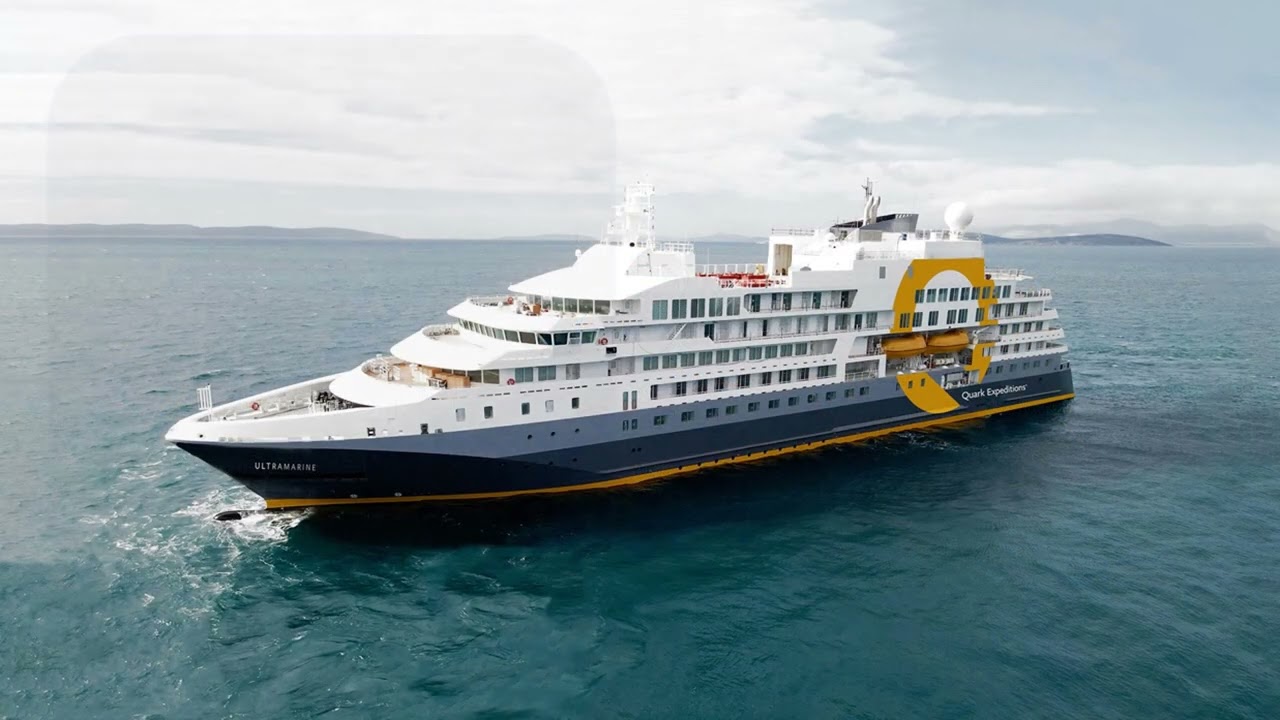
Quark Expeditions Ultramarine with helicopter in Antarctic waters
#3

Quark Expeditions

🚁 Best for Exploration & Helicopters
⚓ Ultramarine (199 pax) / Ocean Adventurer (128 pax) 🚀 2 Helicopters (Ultramarine) ✅ IAATO Member ✈ Fly the Drake 💲 Mid-Range to Premium

Quark Expeditions operates one of the most versatile Antarctic fleets: Ultramarine (199 passengers) equipped with 2 twin-engine helicopters and 20 Zodiacs, and Ocean Adventurer (128 passengers). Ultramarine's helicopter capability is unique in this price tier — opening landing sites inaccessible by Zodiac including mountain plateaus and deep ice fields. With 199 passengers, Ultramarine requires landing rotations, but its 20 Zodiacs substantially reduce waiting time compared to ships with fewer craft. Ocean Adventurer at 128 passengers lands its full complement without rotations.

Quark is one of three operators offering Fly the Drake itineraries — flying passengers from Buenos Aires to King George Island to bypass the Drake Passage. This, combined with Ultramarine's helicopter excursions and Antarctic Circle itineraries, makes Quark the top choice for travelers who want the broadest range of remote access options. Compared to Poseidon or Aurora, Quark's Ultramarine costs more but unlocks helicopter-only landing sites that no other non-icebreaker operator can reach.

ShipsUltramarine (199 pax), Ocean Adventurer (128 pax), World Explorer (172 pax)
IAATO MemberYes
Fly the DrakeYes
Helicopters2 twin-engine (Ultramarine)
ActivitiesKayaking, camping, SUP, helicopter excursions
South GeorgiaYes
Price TierMid-range to premium
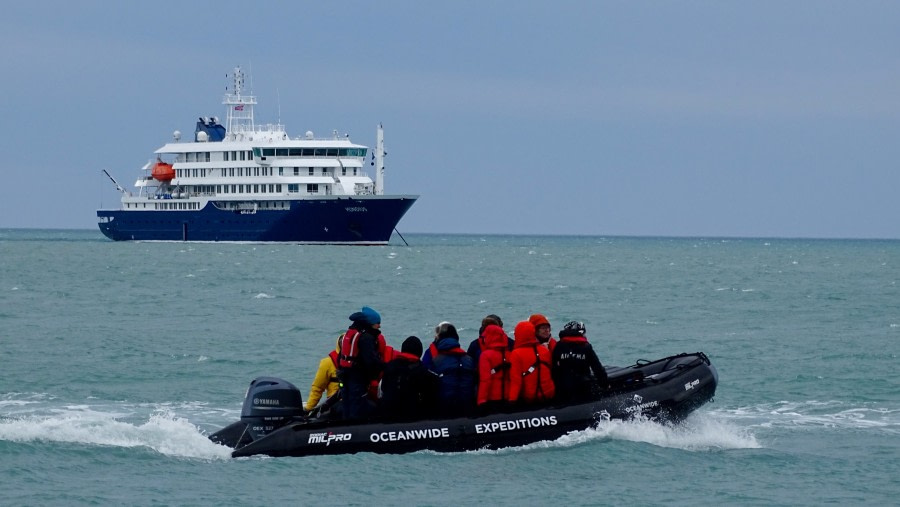
Oceanwide Expeditions ship at anchor in Antarctic bay
#4

Oceanwide Expeditions

💰 Best Value Expedition
⚓ Multiple vessels (~100–120 pax) 👥 ~100–120 Passengers ✅ IAATO Member 💲 Budget to Mid-Range

Oceanwide Expeditions offers some of the most accessible price points in the expedition cruise market for vessels under 200 passengers — placing genuine IAATO-compliant Antarctic expeditions within reach of travelers on tighter budgets. Operating multiple vessels at approximately 100–120 passengers each, Oceanwide maintains the simultaneous landing advantage that distinguishes true small-ship expeditions. The operator is known for a hardcore, no-frills expedition style with flexible routing that adapts to ice conditions and wildlife sightings in real time.

Compared to Poseidon, Aurora, or Quark, Oceanwide's onboard amenities are more modest and expedition programming less extensive — but the core Antarctic experience (shore landings, Zodiac cruising, wildlife) remains intact. For travelers whose priority is maximum Antarctica access at minimum cost, and who do not require optional activities like kayaking or helicopter excursions, Oceanwide is the strongest value in the market.

ShipsMultiple vessels, ~100–120 passengers
IAATO MemberYes
ActivitiesZodiac cruising, shore landings, photography
South GeorgiaYes (selected itineraries)
Price TierBudget to mid-range
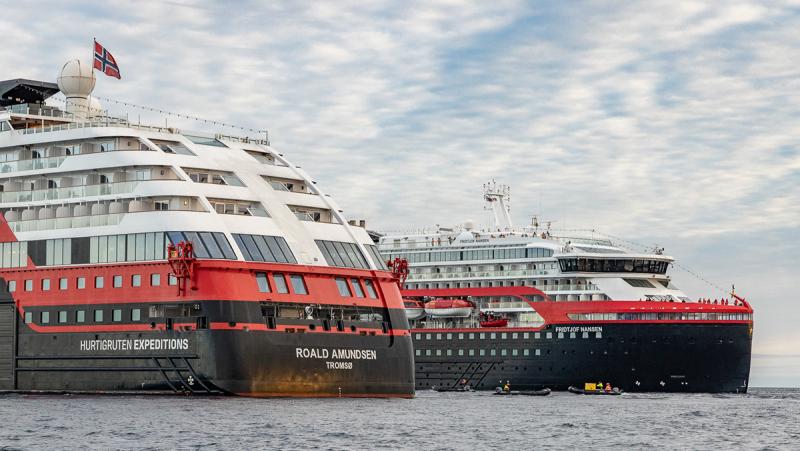
HX Expeditions hybrid battery ship in Antarctic waters
#5

HX Expeditions (Hurtigruten)

🌿 Best for Sustainability
⚓ MS Fram (250 pax) / Roald Amundsen (500 pax) ☁️ Hybrid Battery Propulsion ✅ IAATO Member 📌 Norwegian Heritage 💲 Premium

HX Expeditions, the expedition brand of Hurtigruten, operates two Antarctic vessels with markedly different characteristics. MS Fram (250 passengers) requires landing group rotations but remains below the 500-passenger no-landing threshold. More significantly, Roald Amundsen (500 passengers) sits precisely at the no-landing threshold — meaning some voyages on this vessel may be subject to IAATO landing restrictions. Travelers booking Roald Amundsen should confirm the specific itinerary's landing access before booking. Roald Amundsen and sister ship Fridtjof Nansen were the world's first hybrid battery-powered expedition cruise ships, launched in 2019 and 2020 respectively — a genuine sustainability milestone.

HX's science programmes and Norwegian expedition heritage are genuine differentiators: the operator has deep roots in polar exploration history. MS Fram, at 250 passengers, is the better choice within HX's Antarctic fleet for travelers who prioritise shore time — though its group rotation requirement puts it behind smaller-ship operators. Compared to Poseidon or Aurora, HX commands a premium price for sustainability credentials and Norwegian heritage positioning rather than superior shore access.

ShipsMS Fram (250 pax), Roald Amundsen (500 pax — at no-landing threshold)
TechnologyHybrid battery propulsion (world's first, 2019)
IAATO MemberYes
ActivitiesZodiac landings, science programmes, photography
South GeorgiaYes (selected itineraries)
Price TierPremium
NoteRoald Amundsen at 500 pax — verify landing access before booking
Lindblad National Geographic expedition ship with naturalists observing wildlife
#6

Lindblad Expeditions / National Geographic

🌟 Best for Education & Photography
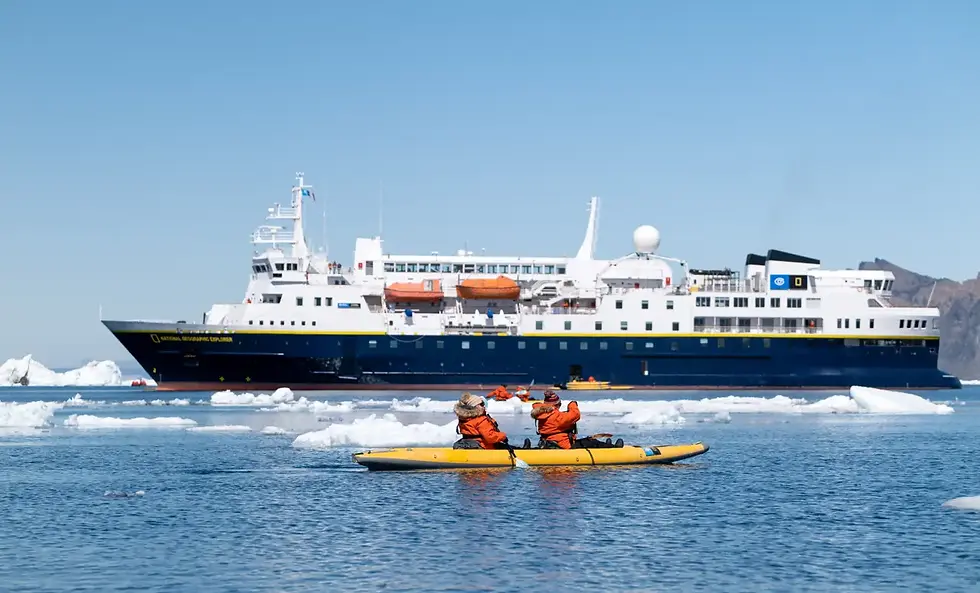
⚓ Nat Geo Endurance / Resolution (126 pax) / Explorer (148 pax) 📷 20+ Nat Geo Naturalists 🔎 ROV to 1,000-ft depth ✈ Fly the Drake 💲 Luxury $25K+

Lindblad Expeditions has operated in Antarctica since 1966 and has maintained an exclusive partnership with National Geographic since 2004. Its three Antarctic vessels — National Geographic Endurance, Resolution (both 126 passengers, X-Bow hull), and Explorer (148 passengers) — all carry remotely operated vehicles (ROVs) capable of diving to 1,000 feet, transmitting live footage to the ship's lecture theatre and to National Geographic scientific research institutions. Every voyage includes 20 or more National Geographic naturalists and photographers — a staff-to-guest ratio that is unmatched at this price tier.

All three vessels operate below the 200-passenger threshold, enabling full simultaneous landings. The X-Bow hull on Endurance and Resolution delivers superior Drake Passage comfort, comparable to Aurora's Greg Mortimer. Lindblad offers Fly the Drake on selected voyages. The premium positioning at $25,000+ per person places Lindblad above Aurora and Poseidon, but the ROV capability, NatGeo intellectual depth, and photography programming justify the premium for education-focused travelers. Compared to Ponant's ultra-luxury positioning, Lindblad's value is in science content and expert staff rather than fine dining.

ShipsNat Geo Endurance (126 pax), Resolution (126 pax), Explorer (148 pax)
HullX-Bow (Endurance, Resolution)
EquipmentROV to 1,000-ft depth (all ships)
Staff20+ National Geographic naturalists and photographers
PartnershipNational Geographic since 2004
Fly the DrakeYes
Price TierLuxury ($25,000+/person)
Antarctica21 fly-cruise departure from King George Island
#7

Antarctica21

✈ Best Fly-Cruise (Skip Drake Passage)
⚓ Small premium vessels (70–100 pax) ✈ Fly: Buenos Aires → King George Island ✅ IAATO Member 💲 Premium

Antarctica21 is the original and most experienced fly-cruise specialist in Antarctica, operating exclusively Fly the Drake itineraries. Passengers fly from Buenos Aires or Punta Arenas directly to King George Island in the South Shetland Islands, bypassing the Drake Passage entirely and saving approximately 4 days of sailing. This makes Antarctica21 the go-to operator for travelers who are seasick-prone, time-constrained, or who simply want to maximise time in Antarctic waters versus time at sea. Small premium vessels at 70–100 passengers ensure full simultaneous landings with no group rotations.

Compared to Quark or Lindblad's fly-cruise options, Antarctica21 offers the most focused and curated Fly the Drake experience — it is the operator's sole product rather than one option among many. The premium price reflects the fly cost over standard Peninsula sailings. For travelers comparing Antarctica21 against Poseidon or Aurora (Classic Peninsula sailings), the question is straightforward: is avoiding the Drake worth the price premium?

ShipsSmall premium vessels, 70–100 passengers
AccessFly Buenos Aires → King George Island (no Drake crossing)
IAATO MemberYes
ActivitiesZodiac landings, kayaking, photography
Price TierPremium (fly-cruise upcharge)
Ponant luxury expedition yacht in Antarctic waters
#8

Ponant

🏙 Best Ultra-Luxury Expedition
⚓ L'Austral / Le Boreal / Le Lyrial (199–200 pax) ♦ Le Commandant Charcot (nuclear-hybrid icebreaker) 🏫 Blue Eye Underwater Lounge 💲 Ultra-Premium $20K–$40K+

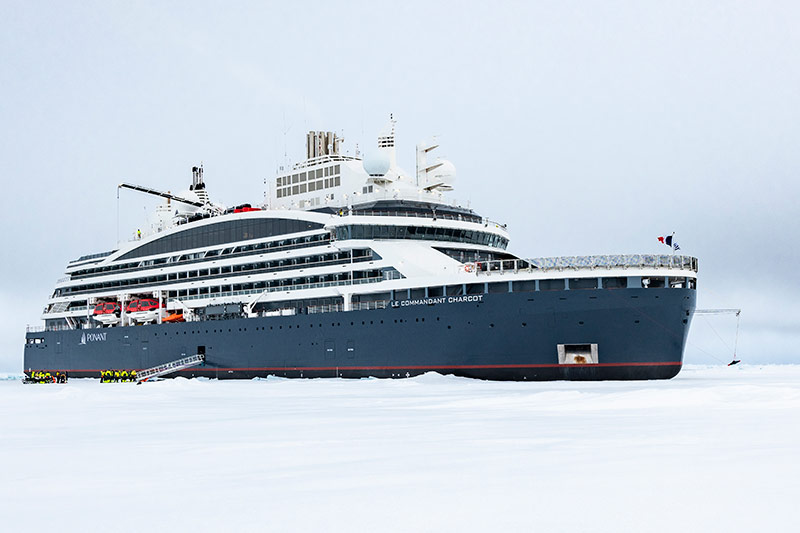
Ponant represents the ultra-luxury tier of Antarctic expedition cruising. Its standard French yachts — L'Austral, Le Boreal, and Le Lyrial — each carry 199–200 passengers, placing them at the upper edge of the rotation threshold. The defining feature of Ponant's fleet is Le Commandant Charcot: a nuclear-hybrid icebreaker capable of penetrating 8 or more feet of sea ice, accessing deep polar regions unreachable by conventional expedition ships, including the North Pole and the Ross Sea in winter. The Blue Eye underwater lounge — whale-eye portholes positioned 8 feet below the waterline — delivers an unprecedented perspective on Antarctic marine life.

Ponant's product is French fine dining, bilingual (French/English) service, and ultra-luxury cabin appointments. Abercrombie & Kent charters Ponant vessels for English-language expeditions, giving A&K clients access to the same hardware. Compared to Lindblad's education-first positioning, Ponant leads on gastronomy and design. Compared to Poseidon or Aurora at mid-range, Ponant commands 3–4× the price for onboard luxury — shore access on standard yachts (199–200 passengers) is not superior to smaller competitors.

ShipsL'Austral, Le Boreal, Le Lyrial (199–200 pax); Le Commandant Charcot (icebreaker)
Le Commandant CharcotNuclear-hybrid icebreaker, penetrates 8+ ft of ice
FeatureBlue Eye underwater lounge (8 ft below waterline)
CuisineFrench fine dining, bilingual service
ChartersAbercrombie & Kent books Ponant vessels
Price TierUltra-premium ($20,000–$40,000+/person)
Albatros Expeditions ship in Antarctic waters
#9

Albatros Expeditions

💲 Best Mid-Range Option
⚓ Small vessels ✅ IAATO Member 🌎 Scandinavian Expedition Style 💲 Mid-Range

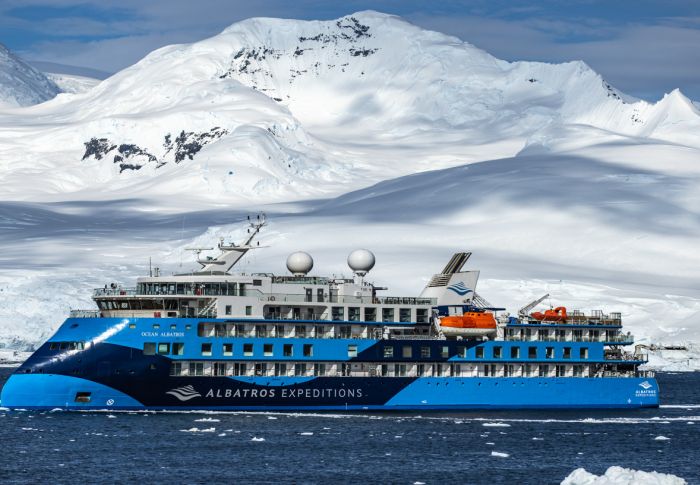
Albatros Expeditions brings a Scandinavian expedition sensibility to Antarctica — functional, no-frills, and focused on the natural environment over onboard amenities. Operating small vessels, Albatros offers solid price-to-experience ratios for the mid-range segment, with standard Zodiac landing programmes, naturalist guides, and IAATO-compliant operations. The operator is a good choice for travelers seeking a European expedition style at competitive pricing, without the premium attached to Norwegian heritage operators like HX or French luxury brands like Ponant.

Compared to Oceanwide — the other primary budget-to-mid-range operator — Albatros offers a slightly more refined onboard experience while maintaining competitive pricing. Compared to Poseidon or Aurora, Albatros offers fewer optional adventure activities but solid core expedition quality. Best suited to travelers who value simplicity, Scandinavian expedition culture, and value.

ShipsSmall vessels
IAATO MemberYes
StyleScandinavian expedition
ActivitiesZodiac landings, shore excursions
Price TierMid-range
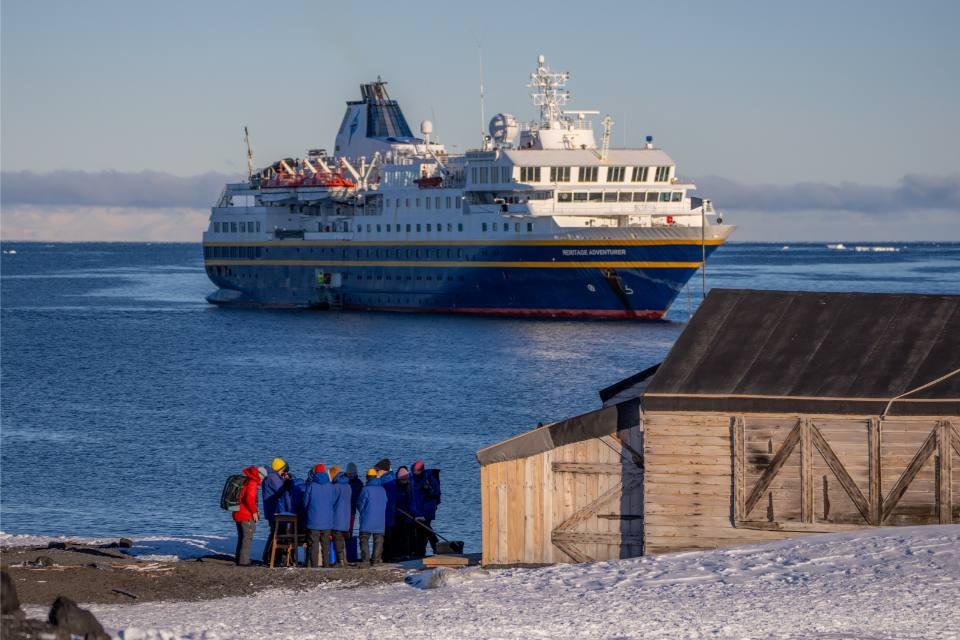
Heritage Expeditions small ship anchored near subantarctic island with wildlife
#10

Heritage Expeditions

🦜 Best for Wildlife & Remote Regions
⚓ Small vessels 🦜 Subantarctic Islands Focus ✅ IAATO Member 💲 Mid-Range to Premium

Heritage Expeditions, a New Zealand-based operator, specialises in the subantarctic islands and remote Southern Ocean routes that larger operators rarely reach. Their itineraries frequently include the New Zealand subantarctic islands — Campbell Island, the Auckland Islands, Macquarie Island — which host some of the world's most concentrated seabird and marine mammal wildlife. Heritage's ornithological and naturalist expertise is genuine: the operator attracts serious wildlife photographers and birders who are as interested in rare albatross species as in Antarctic penguins.

For travelers who want the full Southern Ocean wildlife spectrum — not only the Antarctic Peninsula — Heritage Expeditions offers routes inaccessible to most operators in this list. Compared to Poseidon or Aurora (Peninsula-focused), Heritage's strength is biodiversity and remote access rather than shore time volume. Mid-range to premium pricing reflects the operational complexity of remote subantarctic routes.

ShipsSmall vessels
FocusSubantarctic islands, rare routes, biodiversity
IAATO MemberYes
ActivitiesWildlife observation, Zodiac landings, photography
South GeorgiaYes (selected itineraries)
Price TierMid-range to premium

Antarctica Expedition Activities by Operator

Key: Standard   Opt Optional add-on   Not offered

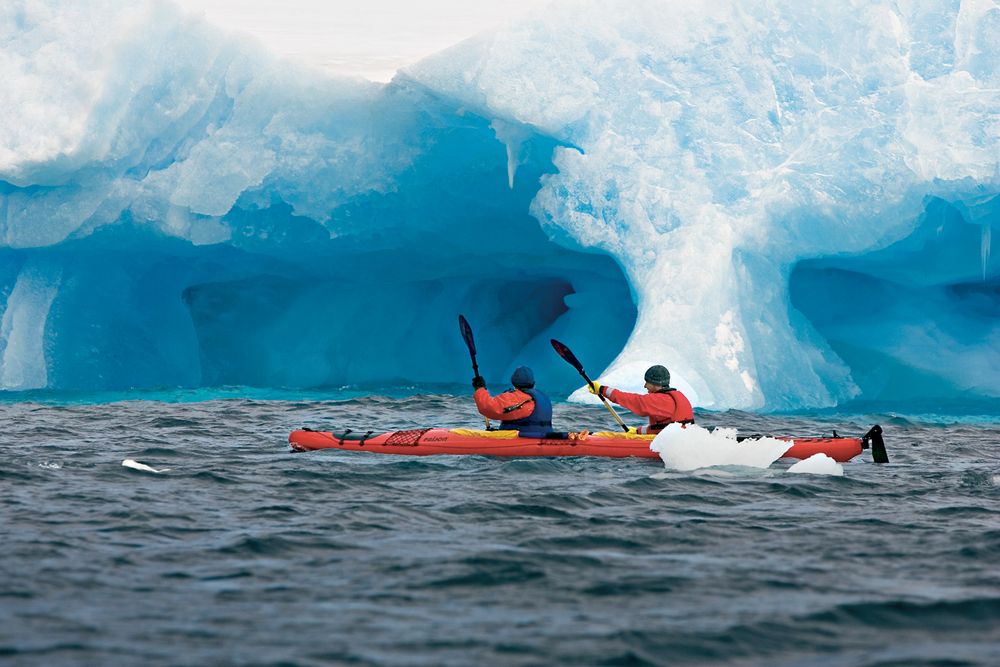
Sea kayaker paddling between icebergs in Antarctica
Operator Zodiac Landings Sea Kayaking Overnight Camping Helicopters Submarine / ROV Polar Plunge Photography Program
Poseidon Expeditions Opt Opt
Aurora Expeditions Opt Opt
Quark Expeditions Opt Opt Opt
Oceanwide Expeditions Opt
HX Expeditions Opt
Lindblad / Nat Geo Opt
Antarctica21 Opt
Ponant Opt Opt
Albatros Expeditions
Heritage Expeditions

How to Choose the Right Antarctica Expedition Cruise

Four decision factors determine which operator and itinerary is right for you. Work through them in this order.

1. Ship Size & IAATO Landing Access

Start here. Ships under 200 passengers land their full complement simultaneously — no group rotations. Ships with 200–500 passengers rotate groups, reducing your shore time by 40–60%. Ships over 500 passengers cannot land at all. Poseidon (114 pax), Aurora (130–154 pax), and Antarctica21 (70–100 pax) are the strongest performers on this criterion. Decide whether simultaneous landings matter to you before comparing any other attribute.

💲

2. Budget & Price Tier

Budget to mid-range ($8,000–$12,000): Oceanwide Expeditions, Albatros Expeditions. Mid-range ($12,000–$20,000): Poseidon Expeditions, Aurora Expeditions, Quark (Ocean Adventurer), HX (MS Fram). Premium ($15,000–$25,000): Quark (Ultramarine), Lindblad, Antarctica21. Luxury ($20,000–$40,000+): Lindblad, Ponant, Le Commandant Charcot. Prices are approximate ranges and vary significantly by voyage length, cabin category, and season.

🏃

3. Activities & Adventure Level

For sea kayaking or overnight camping in Antarctica: Poseidon, Aurora, Quark, and Lindblad all offer these as optional add-ons. For helicopter excursions to remote ice sites: Quark Ultramarine is the only vessel in the mid-tier to carry helicopters. For submarine or ROV access: Lindblad (ROV, all three ships) and Ponant (Le Commandant Charcot). For SCUBA diving or mountaineering: Aurora Expeditions is the specialist. For fly-cruise (no Drake Passage): Antarctica21, Quark, Lindblad.

👥

4. Guide-to-Guest Ratio & Expedition Team Quality

The guide-to-guest ratio determines the quality of wildlife interpretation and the depth of the expedition experience. A ratio of 1:10 is considered good; 1:5 is excellent. Lindblad leads with 20+ National Geographic naturalists on vessels of 126–148 passengers — approaching 1:6. Poseidon's 26 years of polar expertise means a highly experienced team. Ponant's bilingual naturalists are well-regarded. For education-first travelers, Lindblad's NatGeo partnership delivers unmatched specialist depth at the price premium it commands.

When to Go: Antarctica Expedition Season

Antarctica's expedition season runs November through March — the austral summer. Each month within the season has distinct characteristics that favor different traveler priorities.

November — Early Season
❄️

Ice, Calving & Solitude

Pack ice remains extensive, producing dramatic iceberg scenery and calving events. Wildlife is arriving but not yet at peak activity. Fewer vessels in Antarctic waters means more solitude at popular sites. Pricing is typically lower than peak season. Conditions can be harsh; experienced travelers and photographers favour November for pristine icescape photography.

December – January — Peak Season
☀️

Wildlife Peak & Midnight Sun

The recommended window for first-time Antarctica expedition travelers. Penguin colonies are at maximum activity — courtship, egg laying, and chick-rearing all visible within a single voyage. Seals haul out on beaches; whale sightings increase. 24-hour daylight (midnight sun) provides extraordinary photographic conditions and flexibility for shore landings at any hour. Pricing peaks in December–January; book 12–18 months in advance.

February – March — Late Season
🐋

Whale Season & Open Ice

Whale activity peaks in February–March as humpbacks, minkes, and orcas concentrate in increasingly open waters as sea ice retreats. Penguin chicks are mobile and learning to swim. Ice conditions are at their most navigable, enabling deeper Peninsula access and Polar Circle crossings. Pricing dips below December–January peaks. Best for whale-focused travelers and those seeking Antarctic Circle itineraries.

Frequently Asked Questions

What is the IAATO 100-passenger landing rule?

IAATO — the International Association of Antarctica Tour Operators, founded in 1991 — limits the number of passengers who can be ashore at any single Antarctic landing site simultaneously to 100 people. Ships carrying fewer than 200 passengers can typically land their full complement in one or two Zodiac rotations. Ships with 200–500 passengers must rotate groups in shifts, meaning some passengers wait on board while others are ashore — significantly reducing the effective shore time available per passenger. This rule applies to shore landings only; Zodiac cruising in Antarctic waters is not subject to the 100-passenger limit.

What is the difference between an expedition cruise and a scenic cruise in Antarctica?

An expedition cruise operates ships carrying fewer than 500 passengers and provides Zodiac landings at Antarctic shore sites, guided wildlife walks, and activities led by specialist naturalist and expedition staff. A scenic cruise operates large ships (500+ passengers) that sail through Antarctic waters and offer viewing from the deck — but are prohibited by IAATO from landing any passengers ashore. Operators including Celebrity Cruises, Holland America Line, and Princess Cruises run Antarctic scenic cruises on large vessels. These voyages are not expedition cruises and provide no shore access to Antarctica's wilderness.

Should I choose Fly the Drake or sail the Drake Passage?

The Drake Passage — approximately 800 km between Cape Horn and the South Shetland Islands — takes about 2 days to cross each direction and is among the world's roughest stretches of ocean. "Fly the Drake" itineraries fly passengers from Buenos Aires or Punta Arenas to King George Island, bypassing the crossing and saving approximately 4 days total. This adds a significant cost premium. Choose Fly the Drake if you are prone to seasickness, have limited time, or want to maximise days in Antarctic waters. Choose the Classic Peninsula crossing if you want the full Southern Ocean experience, are comfortable at sea, or are managing budget. Operators offering Fly the Drake: Quark Expeditions, Lindblad Expeditions, and Antarctica21.

How many days does an Antarctica expedition cruise take?

A Classic Peninsula Cruise departs from Ushuaia and runs 10–12 days, including approximately 2 days each direction crossing the Drake Passage and 4–6 days of shore landings. A Fly the Drake itinerary runs 8–9 days, eliminating the Drake crossing. A Polar Circle Crossing — reaching 66°33' South latitude — requires a minimum of 14 days. A South Georgia and Falklands extension adds 5–10 days to the Peninsula route for a total of 17–25 days. Antarctica expeditions that include the Ross Sea on the far side of the continent require 24+ days of dedicated voyage time.

What activities are available on an Antarctica expedition cruise?

All expedition operators offer Zodiac landings and Zodiac cruising among icebergs as standard activities. Optional add-ons available with select operators include sea kayaking (Poseidon, Aurora, Quark, Lindblad, Antarctica21), overnight camping on the Antarctic ice (Poseidon, Aurora, Quark), helicopter excursions to remote sites (Quark Ultramarine), SCUBA diving (Aurora Expeditions), mountaineering and rock climbing (Aurora), ROV underwater footage (Lindblad — all three ships), submarine dives (Scenic Eclipse), and polar plunge. Photography programmes are offered by most operators. Not all activities are available on all voyages or vessels within an operator's fleet — confirm at booking.

What is the best time of year for an Antarctica expedition cruise?

Antarctica's expedition season runs November through March. December and January are the peak months: penguin colonies are at maximum activity, 24-hour daylight enables flexible shore access, and wildlife sightings — including seals and early whale activity — are most reliable. November is favoured by photographers for dramatic iceberg scenery and solitude, with fewer vessels and lower prices. February and March offer peak whale activity (humpbacks, minkes, orcas) as sea ice retreats, making these months best for whale-focused travelers and those seeking Polar Circle access. Book 12–18 months in advance for December–January peak season.

Is sea kayaking available on Antarctica cruises?

Yes — sea kayaking among Antarctic icebergs is an optional add-on activity offered by several operators, including Poseidon Expeditions, Aurora Expeditions, Quark Expeditions, Lindblad Expeditions, and Antarctica21. It is typically booked in advance as a pre-departure add-on and requires no prior kayaking experience on most programmes. Paddling between icebergs in Antarctic waters is one of the most distinctive wilderness experiences available. Note that kayaking is subject to weather and sea conditions and may be cancelled on some landings. Not all vessels within an operator's fleet offer kayaking — confirm availability for your specific ship and voyage.

What is the guide-to-guest ratio and why does it matter?

The guide-to-guest ratio describes how many expedition staff — naturalists, ornithologists, glaciologists, and other specialists — are aboard per passenger. A ratio of 1:10 is considered good; 1:5 is excellent. Lindblad Expeditions / National Geographic leads the market with 20 or more National Geographic naturalists and photographers on vessels of 126–148 passengers — approximately 1:6 to 1:7. Higher ratios mean smaller guided groups ashore, richer wildlife interpretation, more individual attention, and a more educational experience. Lower-cost operators typically operate at ratios of 1:15 to 1:20. If the quality of naturalist interpretation and learning depth matter to you, the guide-to-guest ratio should be a key selection criterion.

Can I camp overnight in Antarctica?

Yes — overnight camping in Antarctica is offered as an optional add-on by Poseidon Expeditions, Aurora Expeditions, and Quark Expeditions, among others. Participants sleep in bivy bags or tents on the Antarctic ice, typically on a beach or snow field away from penguin colonies, under 24-hour austral summer light. No prior camping experience is required. Groups are typically limited to 10–20 participants per night and the activity is subject to weather conditions. It is one of the most immersive wilderness experiences available anywhere in the world, and must be booked in advance as capacity is strictly limited on each voyage.

How far in advance should I book an Antarctica expedition cruise?

For December and January voyages — peak season — book 12 to 18 months in advance. Cabins on small expedition ships (under 200 passengers) sell out quickly for peak-season departures on popular operators including Poseidon, Aurora, and Lindblad. Early booking also secures access to optional add-ons (kayaking, camping, helicopter excursions) that have limited spaces per voyage. November and February–March voyages typically have more availability and can sometimes be booked 6–9 months out. Last-minute deals occasionally exist for shoulder-season departures, particularly February and March, when operators discount unsold cabins — but these should not be relied upon for primary planning.

About This Ranking

This guide is updated annually. Rankings reflect our independent assessment as of . No operator has paid for placement. Our ranking methodology evaluates six criteria including shore time, IAATO compliance, expedition team quality, activity range, value, and traveler feedback.